
How a Self Proving Affidavit Makes a Texas Will Easier to Probate
A Texas will can be perfectly valid and still create months of extra work for the family left behind. The difference usually comes down to one short page attached at the end of the document. That page is the self proving affidavit, and it carries real weight under the Texas Estates Code. When a will is self proved, the probate court may admit it without calling the witnesses into the courtroom to testify about what they saw on signing day. When a will is not self proved, someone has to track down those witnesses years later, confirm they are alive, confirm they still live in Texas, and get their sworn testimony on the record. Summer is when many Texas families finally sit down and handle estate paperwork, often while relatives are in town or before a long trip. It is also when a lot of people discover that a will signed a decade ago never had the affidavit attached in the first place. Understanding what that page does, who has to sign it, and how a notary fits into the process can save an executor a significant amount of time, money, and stress in Collin County probate court.
What a Self Proving Affidavit Is and How It Makes a Texas Will Easier to Probate
A self proving affidavit is a sworn statement signed by the testator and the witnesses in front of a notary, confirming that the will was signed voluntarily, that the testator was of sound mind, and that the legal formalities were followed. It is a separate legal act from signing the will itself, even though the two usually happen minutes apart at the same table. The notary administers an oath, watches the signatures, and then completes a certificate under seal that becomes part of the document. Texas Estates Code Section 251.101 states that a self proved will may be admitted to probate without the testimony of any subscribing witnesses. That single provision is the reason estate planning attorneys almost never let a client leave the office without the affidavit attached. The affidavit does not change who inherits, does not alter a single gift, and does not make an invalid will valid. It simply changes how the will gets proved once the testator has passed away. Families rarely notice the benefit until they are standing in front of a judge with a stack of paperwork and a deadline.
The Texas Estates Code Rules Behind a Self Proving Affidavit
Texas law spells out the self proving affidavit in Chapter 251 of the Estates Code, and the requirements are specific enough that small errors cause real problems. Section 251.104 provides the traditional form, which contemplates the testator and two witnesses appearing before an officer authorized to administer oaths, swearing to the facts of the signing, and having that officer attach a certificate under official seal. Section 251.101 makes clear that a will may be made self proved at the time it is executed or at any later date during the testator’s lifetime. That second option matters a great deal to Texas families who signed a will years ago and never had the affidavit prepared. Section 251.1045 also permits a combined attestation and self proving form, which allows the testator and the witnesses to sign one time rather than twice. Both approaches are recognized, though many attorneys still prefer the traditional two step version because it is the format probate clerks have seen for decades. Holographic wills, meaning wills written entirely in the testator’s own handwriting, get their own treatment under Section 251.107, where the testator alone signs an affidavit and no witnesses are required. Each of those paths ends at the same place, with a notary administering an oath and completing a proper certificate.
The role of the notary in this process is narrower than most people assume, and that narrowness is a feature rather than a limitation. A Texas notary public is a commissioned officer authorized to administer oaths, which is exactly what the statute requires for a self proving affidavit. The notary confirms the identity of every signer through personal knowledge, an acceptable identification document, or a credible witness, then administers the oath out loud and receives the signatures. The notary records the act in a notary record book as required by Texas Government Code Section 406.014 and affixes the official seal to the certificate. What the notary cannot do is draft the affidavit, select which statutory form applies, or advise a family on how the will should be structured. Those tasks belong to a licensed Texas attorney, and any notary who crosses that line is engaging in the unauthorized practice of law. A good mobile notary knows the difference cold and will tell a client plainly when a question needs to go to counsel.
The practical effect of following these code sections correctly shows up years later, at the worst possible moment for the family. When a properly self proved will is filed with the county clerk, the executor’s attorney can typically move straight to the hearing without arranging witness testimony. The judge reviews the affidavit, sees the notary certificate and seal, and treats the execution formalities as established. Compare that to a will with a defective affidavit, where the court cannot rely on the sworn statement and must fall back on the ordinary proof requirements. Collin County probate dockets are busy, and every extra hearing pushes the timeline further out. Bank accounts stay frozen, the homestead stays in limbo, and beneficiaries wait. The cost of doing the affidavit correctly on the front end is a single appointment; the cost of fixing it later can run into thousands of dollars in legal fees.

How a Self Proving Affidavit Differs From the Will Itself in Texas Probate
People frequently assume that notarizing a will is what makes it legal in Texas, and that assumption is backwards. Under Texas law, an attested written will is valid when it is in writing, signed by the testator or by another person at the testator’s direction and in the testator’s presence, and attested by two or more credible witnesses who are at least fourteen years of age and who sign in the testator’s presence. Nothing in that list mentions a notary. A will signed by a testator and two qualified witnesses, with no notary anywhere in the room, is a valid Texas will. The notary enters the picture only for the self proving affidavit, which is an additional layer sitting on top of a will that is already legally complete. Understanding that distinction helps families stop worrying about the wrong thing. The real risk is not the absence of a notary stamp on the will; the real risk is the absence of the sworn affidavit that spares the witnesses from testifying later.
The second common misunderstanding involves what the affidavit actually proves and what it does not touch. A self proving affidavit establishes the formalities of execution, meaning that the testator signed willingly, that the witnesses observed the signing, and that everyone was of the required age and capacity at the time. It does not shield the will from every possible challenge. A beneficiary can still contest a Texas will on grounds such as undue influence, fraud, forgery, or lack of testamentary capacity, and the affidavit does not close those doors. What the affidavit does is remove a routine procedural burden so the court can focus on real disputes if any exist. In the overwhelming majority of Texas estates, no one contests anything and the affidavit is the only thing standing between the executor and a smooth hearing. That is a very good return on one page of paper.
There is also a timing distinction that trips up families who are trying to be helpful. The self proving affidavit must be signed during the testator’s lifetime, because the testator is one of the people swearing to the facts under the traditional form. Once the testator has died, that window is closed permanently and no affidavit can be added after the fact. At that point the estate must use the alternative proof methods available under the Estates Code, which involve witness testimony, sworn depositions, or in some cases testimony from someone who can identify the testator’s handwriting. Families sometimes call a mobile notary the week after a funeral hoping to fix this, and the honest answer is that the opportunity has passed. This is precisely why estate planning appointments should not be postponed. If a parent or grandparent has a will sitting in a drawer with no affidavit attached, handling it while everyone is healthy is the entire point.
Who Must Sign a Self Proving Affidavit for a Texas Will
The traditional Texas self proving affidavit requires three signers plus the notary, and every one of them has a specific role. The testator signs first, swearing that the instrument is that person’s will, that it was signed willingly, and that the signing was done for the purposes expressed in the document. The two witnesses then swear that the testator declared the instrument to be a will, that each witness signed in the testator’s presence, and that the testator appeared to be of sound mind and at least eighteen years of age or otherwise qualified to make a will. All three signers must appear before the notary at the same appointment, because the notary cannot administer an oath to someone who is not physically present. This is a frequent scheduling headache, since coordinating three adults in one room is harder than it sounds. A mobile notary solves that problem by coming to the location that works for the group, which is often a kitchen table, a conference room, or a rehabilitation facility lounge. Getting everyone together once is far easier than getting them together twice.
Choosing the right witnesses deserves more thought than most families give it. Texas requires witnesses who are credible and at least fourteen years old, but age is only the starting point. Under Texas Estates Code Section 254.002, a bequest to a subscribing witness can be void unless the will can be otherwise established or the witness’s testimony is corroborated by a disinterested and credible person. In plain terms, using a beneficiary as one of the two witnesses can jeopardize that person’s inheritance. The safest practice is to select two adults who receive nothing under the will and who have no financial stake in the estate. Neighbors, coworkers, and family friends are common choices. Witnesses should also be people likely to be locatable and healthy for many years, which is another reason to avoid picking someone significantly older than the testator.
The notary is the fourth person at the table, and the notary should not double as one of the two witnesses. While Texas law does not spell out a blanket prohibition in every scenario, having the same individual serve as both a subscribing witness and the officer who administers the oath to that witness creates an obvious conflict and invites a challenge in probate court. Careful notaries decline that arrangement and ask the family to bring an additional person. The notary also has an independent duty to confirm that each signer is aware of what is happening and is acting without coercion. If a signer appears confused, heavily medicated, or pressured by someone else in the room, the notary is obligated to stop the appointment. That refusal can feel frustrating in the moment, but it protects the estate from exactly the kind of capacity challenge that ties up a Texas probate case for years. Planning ahead and handling estate documents at home? Click here for our estate planning notary service.
What Happens at Probate When a Texas Will Has No Self Proving Affidavit
A Texas will without a self proving affidavit is not lost, void, or unusable, and no family should panic upon discovering one. It simply means the estate must prove the will the longer way. The Texas Estates Code provides several routes for proving an attested written will that is not self proved, and each of them requires human testimony rather than a notarized page. That testimony can come from a subscribing witness in open court, from the sworn written deposition of a subscribing witness, or, when both witnesses are dead or otherwise unavailable, from testimony about the handwriting of the testator or a witness. Every one of those routes costs time and money that a self proved will would have avoided entirely. Executors also discover that witnesses move out of state, change phone numbers, develop memory problems, or pass away themselves. The affidavit exists precisely because the legislature understood that human memory and availability are unreliable across a span of twenty or thirty years.
Proving a Texas Will Without a Self Proving Affidavit Takes More Time
The first hurdle in proving a will without a self proving affidavit is locating the subscribing witnesses, and this is harder than families expect. A will signed in 1998 may list two witnesses who were coworkers at a job the testator left long ago. Nobody in the family knows their current addresses, their married names, or if they are still living. The executor’s attorney may need to hire a search service, and even a successful search often produces a witness who now lives several states away. That witness has no legal obligation to drop everything and travel to Collin County for a hearing. Arranging a sworn deposition becomes the practical alternative, which means additional attorney time, a court reporter, and scheduling that depends entirely on a stranger’s cooperation. Each of those steps adds weeks, and weeks turn into months when a court docket is involved.
The second hurdle is cost, and it accumulates in ways that surprise beneficiaries. Attorney hours spent locating witnesses, preparing deposition questions, drafting motions, and attending an extra hearing are all billed to the estate. Court reporter fees, service costs, and travel reimbursement for a cooperative witness add to the total. In estates where the primary asset is a house and a modest bank account, these expenses consume a meaningful percentage of what the heirs were supposed to receive. Families often react with disbelief that a missing signature page could cost this much. The comparison is stark when placed side by side with the alternative, which is one notary appointment during the testator’s lifetime. That appointment takes well under an hour in most cases. The savings are not theoretical; they are measured in real dollars that stay with the beneficiaries.
The third hurdle is the delay itself, which creates practical problems well beyond the courtroom. Until a will is admitted and letters testamentary are issued, the executor generally cannot access estate bank accounts, sell estate property, or deal with title companies. Mortgage payments, property taxes, insurance premiums, and utility bills keep coming due on a house nobody has authority to manage. Vacant homes in North Texas summers are vulnerable to air conditioning failures, plumbing leaks, and general deterioration. Meanwhile the surviving spouse or adult children may be counting on estate funds for expenses they already incurred. Every additional week of probate delay compounds those pressures. A self proved will does not eliminate probate, but it removes one of the most common reasons a straightforward estate stalls out at the starting line.
Common Mistakes That Void a Self Proving Affidavit in Texas
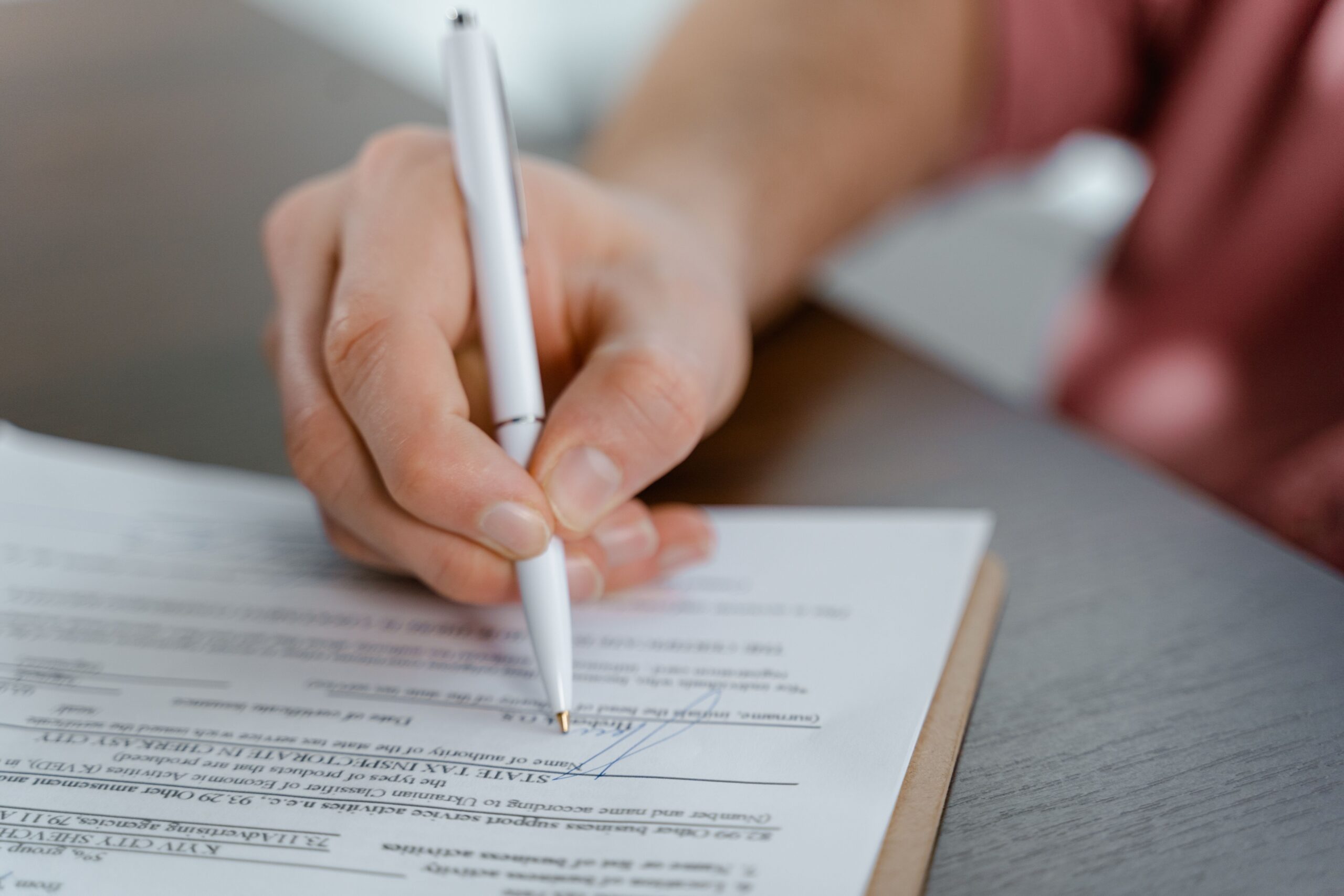
The most frequent defect is a missing signature, and it happens more often than anyone would guess. A family prints an affidavit form, everyone signs the will, and then one witness leaves before signing the affidavit page. The document goes into a safe deposit box and nobody looks at it again for twenty years. When it finally reaches the probate court, the affidavit is incomplete and cannot be relied on. A second version of this problem occurs when the testator signs the will but forgets to sign the affidavit, since the two documents are separate legal acts requiring separate signatures under the traditional form. Reviewing every signature line before the notary packs up is the simplest possible safeguard. A careful notary walks the page line by line before completing the certificate.
The second common defect involves the notarial certificate itself, and this is where an inexperienced notary causes lasting damage. A self proving affidavit requires a jurat, meaning the notary administered an oath and watched the signing. It is not an acknowledgment, which is a different notarial act confirming that a signer acknowledged executing a document. Attaching the wrong certificate wording undermines the entire purpose of the affidavit, because the statute is built around sworn testimony. Other certificate errors include a missing or illegible seal, an incorrect date, a blank commission expiration, or a venue line naming the wrong county. Texas notaries are also prohibited from notarizing documents containing blanks, which means any incomplete field on the affidavit must be addressed before the seal goes on. Every one of these mistakes is preventable with a notary who handles estate documents regularly.
The third defect category is procedural and involves people who were not actually present. Some families sign the will one evening, then take the affidavit to a notary the following week without the witnesses. Others mail the page to a witness who lives out of town and ask that person to sign and return it. A notary cannot lawfully administer an oath to someone who is not there, and a certificate claiming otherwise is false. Signatures gathered outside the notary’s presence do not satisfy the statute regardless of how sincere everyone’s intentions were. This is one of the strongest arguments for using a mobile notary, since the notary travels to wherever the group can actually assemble instead of forcing three people to make separate trips. If a witness is recovering in a facility or unable to leave home, the notary comes to that location. Have a family member in a care facility who needs documents notarized? Click here for our nursing home notary service.
How to Add a Self Proving Affidavit to a Texas Will That Already Exists
Discovering that an existing will lacks a self proving affidavit is a fixable problem as long as the testator is living and has capacity. Texas Estates Code Section 251.101 expressly allows a will to be made self proved at any date after execution, which means the original signing ceremony does not have to be repeated. The affidavit can be prepared, signed by the testator and the two original subscribing witnesses, sworn before a notary, and attached to the existing will. Nothing about the will’s terms changes and no gifts are altered. The correct form should be prepared or reviewed by a Texas attorney, because the statutory language matters and a notary is not permitted to draft it. Once the form is in hand, scheduling the appointment is the easy part. Many families handle this in a single visit around the kitchen table.
Complications arise when one or both of the original witnesses are unavailable, and this is a question for an attorney rather than a notary. Depending on the circumstances, counsel may recommend executing a codicil or a new will with fresh witnesses and a properly attached affidavit rather than trying to salvage the old document. A new will signed with two disinterested witnesses and a complete self proving affidavit resolves the issue cleanly and gives the family a document nobody has to argue about. This is also a natural moment to review beneficiary designations, guardianship nominations for minor children, and the choice of executor, since circumstances change over the years. Estate documents drafted before a divorce, a remarriage, a move to Texas from another state, or the birth of grandchildren often need attention anyway. Handling the affidavit and the update in one sitting is efficient. The notary appointment then covers everything at once.
Timing is the factor families control least and worry about most. Capacity can decline quickly after a stroke, a serious diagnosis, or a hospital admission, and once a testator can no longer understand what is being signed, the window closes. Notaries are required to decline any signing where the signer does not appear to comprehend the document or is not acting of free will, and that rule applies with particular force to estate paperwork. Families sometimes ask a notary to proceed anyway because they know what the person wanted, and the answer has to be no. Handling estate documents while a loved one is clearly capable protects everyone, including the beneficiaries who would otherwise face a contested probate. Summer visits from out of town relatives create a natural opportunity, since the witnesses and the family are already in the same place. Booking the appointment during that window is far simpler than trying to reassemble everyone later.
Why You Need a Mobile Notary for Your Texas Self Proving Affidavit
Self proving affidavits require three people, one notary, and a correctly completed certificate, all in the same room at the same time. That combination is exactly what a mobile notary is built to deliver. Instead of asking an elderly parent, two witnesses, and an adult child to coordinate travel to a bank branch during business hours, the notary comes to the location where the group can actually gather. Mobile Notary by Kevin travels across the Dallas metro area, including McKinney, Frisco, Plano, Allen, Prosper, Celina, and the surrounding communities. Appointments are available around the clock, including evenings, weekends, and holidays, which matters when family members are only in town for a few days. Flat rate pricing means the cost is known before the notary arrives, with no surprises at the end of the appointment.
A Mobile Notary Brings the Self Proving Affidavit Appointment to You
Location flexibility is the single biggest practical advantage of a mobile notary for estate documents. Signings happen at private residences, assisted living communities, rehabilitation centers, hospital rooms, law offices, and workplaces throughout Collin and Denton counties. A testator recovering from surgery does not need to be transported anywhere, and witnesses who work daytime hours can meet in the evening. That flexibility removes the most common excuse for postponing estate paperwork indefinitely. Families who have been meaning to handle this for years often finish the entire process in one visit once scheduling stops being an obstacle.
Availability is the second advantage, and it is not a small one. Health situations change without warning, and the need for a notarized affidavit sometimes becomes urgent after a hospital admission or a sudden decline. Mobile Notary by Kevin maintains availability 24 hours a day, seven days a week, including holidays, for exactly these situations. Same day and after hours appointments are routinely accommodated across the Dallas metro area. When a family is racing a medical timeline, a notary who answers the phone at nine on a Sunday night is worth a great deal. Facing an urgent situation that cannot wait until Monday? Click here for our emergency notary service.
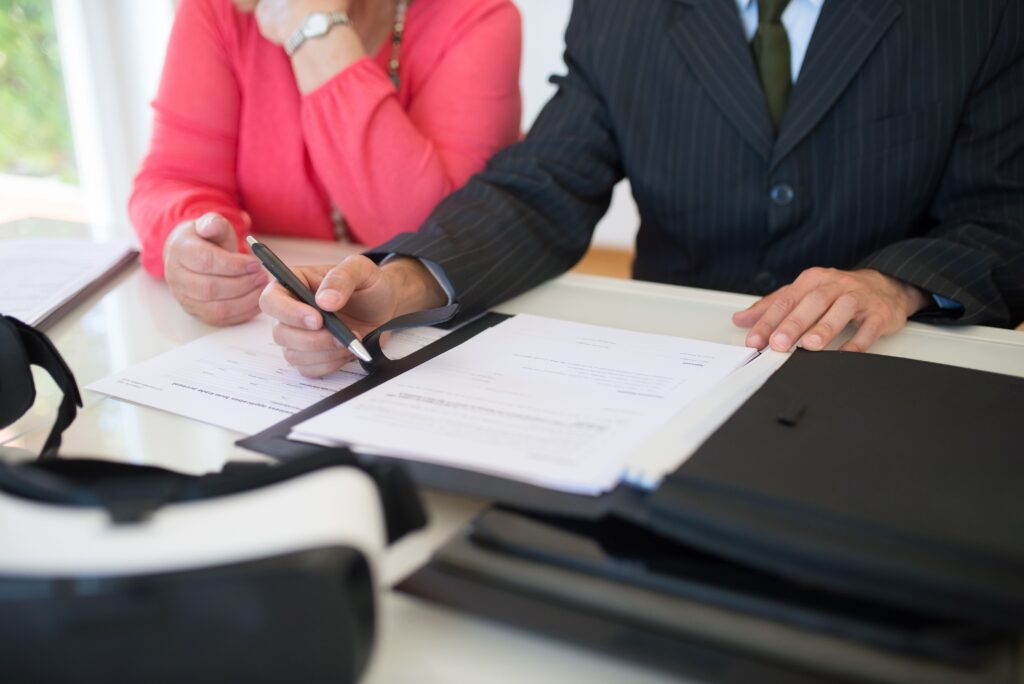
Preparation is the third advantage, and it is where experience separates one notary from another. A notary who handles estate documents regularly arrives knowing that a self proving affidavit needs a jurat rather than an acknowledgment, that every signer must be present, and that blank fields must be resolved before the seal goes on. That notary checks identification for all three signers, administers the oath clearly and audibly, and reviews every signature line before finishing. The appointment moves efficiently because nobody is guessing about the process. Families leave with a document that will hold up when the county clerk and the probate judge look at it years later.
A Mobile Notary Protects the Integrity of Your Self Proving Affidavit
Identity verification is the foundation of every notarial act, and it is handled carefully at estate signings. Each signer presents an acceptable form of identification, such as a valid state issued driver license, a state identification card, a United States passport, or a military identification. The notary compares the identification to the person, records the required information in the notary record book, and confirms that the name matches the document. When a signer lacks current identification, a credible witness may be available depending on the circumstances. Clarifying identification requirements before the appointment prevents a wasted trip for everyone involved.
Willingness and awareness are checked just as carefully, because estate documents draw more scrutiny than almost any other category of paperwork. The notary observes the signer, asks straightforward questions, and looks for signs that the person understands what is being signed and is acting freely. If another person in the room is answering for the signer or applying pressure, the notary is obligated to pause. Declining a signing in that situation protects the testator and the estate from a future undue influence claim. These safeguards are the reason a notarized affidavit carries weight in a Texas courtroom.
Clear boundaries around legal advice protect clients as much as they protect the notary. A Texas notary public who is not an attorney may not prepare a will, draft a self proving affidavit, choose which statutory form applies, or explain the legal effect of any provision. Mobile Notary by Kevin performs the notarial act and refers legal questions to a licensed Texas attorney, every time and without exception. That discipline keeps the document clean and keeps the client properly advised. Need a durable power of attorney notarized alongside your estate documents? Click here for our power of attorney notary service.
Why Choose Mobile Notary by Kevin for Your Texas Self Proving Affidavit
Mobile Notary by Kevin is NNA certified and background screened, carries errors and omissions insurance, and is fidelity approved. More than 10,000 documents have been notarized across the Dallas metro area, including a steady volume of estate planning packages, wills with self proving affidavits, durable powers of attorney, medical directives, and living trusts. That volume matters because estate documents have specific requirements that a notary needs to recognize on sight. Every appointment follows Texas Government Code requirements for identification, oath administration, journal entries, and certificate completion.
Pricing is transparent and flat rate on every job, with the travel fee and the notarial fees explained before the appointment is booked. Families know the total in advance and there are no additional charges added after the work is finished. Service covers McKinney, Frisco, Plano, Allen, Prosper, Celina, Melissa, Anna, Princeton, Wylie, Murphy, Sachse, Fairview, Lucas, Parker, Little Elm, The Colony, Denton, Lewisville, Carrollton, Richardson, Garland, Rowlett, and the surrounding North Texas communities. Scheduling is available 24 hours a day, seven days a week, including holidays.
Getting a self proving affidavit signed correctly is one of the least expensive and most valuable things a Texas family can do for the people who will settle the estate later. One appointment during the testator’s lifetime replaces witness hunts, depositions, extra hearings, and months of delay in probate court. Mobile Notary by Kevin comes to the house, the office, the hospital, or the care facility at a time that works for everyone who needs to sign. Call (214) 425-9444 or email mobilenotarybykevin@gmail.com to schedule an estate document signing anywhere in the Dallas metro area, and get the affidavit handled while it still counts.